Buyer’s Guide to Bidirectional Carbon Fiber Cloth
As industries continue to demand high-performance materials, bidirectional carbon fiber cloth has emerged as a prominent solution. Its application spans across sectors like aerospace and marine construction, with the material’s global market poised to reach USD 7.8 billion by 2024. This guide provides a comprehensive comparison for buyers, highlighting the specifications, applications, and cost-performance trade-offs of bidirectional carbon fiber cloth against alternatives. With 20 years in the industry, Impact Materials has executed over 3,200 projects across 120 countries, ensuring quality and reliability. Whether you are an engineer, procurement manager, or project leader, gaining insights from this guide will empower you to choose the right materials for your needs. To explore the full range of available options, explore the full range.
Technical Comparison and Selection Criteria
What Distinguishes Bidirectional Carbon Fiber Cloth?
Bidirectional carbon fiber cloth, also known as woven carbon fiber fabric, is constructed with fibers aligned in two perpendicular directions, offering balanced strength. This structural configuration is ideal for applications needing multidirectional load distribution, making it particularly effective in sectors such as aerospace and automotive. Understanding these specifications is crucial for selecting the right material:
- Tensile Strength: Upwards of 3500 MPa
- Density: Approximately 1.6 g/cm³
- Fiber Volume Fraction: Around 60%
- Elongation at Break: Typically 1.5%
These parameters, verified through ASTM D3039 testing, ensure that the cloth withstands substantial stress while maintaining structural integrity. Supporting these standards, Impact Materials offers a variety of twill weave carbon fiber fabric options.
Evaluating Weave Patterns: Twill vs. Plain
Twill Weave: Benefits and Applications
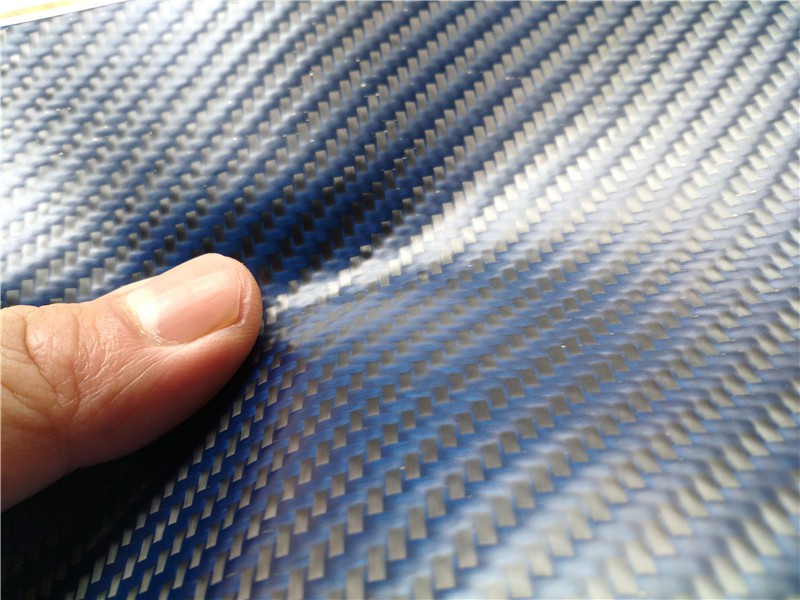
The twill weave pattern is noted for its diagonal appearance, which offers flexibility and the ability to drape over complex shapes. This makes it particularly suitable for automotive and aerospace applications, where its aesthetic and functional attributes are valued.
Plain Weave: Characteristics and Uses
Conversely, plain weave carbon fiber features a simple, checkerboard pattern that provides better dimensional stability but less flexibility than twill. It is often used in construction and marine applications, where stability and flat surface coverage are essential.
| Weave Pattern | Flexibility | Ideal Applications |
|---|---|---|
| Twill | High | Automotive, Aerospace |
| Plain | Moderate | Construction, Marine |
For enhanced flexibility and visual appeal, the 3K twill carbon fiber fabric with epoxy resin prepreg is an excellent choice, providing both durability and a glossy finish, suitable for complex applications.
Prepreg and Pultrusion: Technology Insights
Advantages of Prepreg 3K Carbon Fiber
The 3K prepreg technique involves fibers pre-impregnated with a resin system, typically epoxy, ensuring uniform resin distribution and improved manufacturing consistency. This method is beneficial for producing high-strength components with precision, making it popular in industries with rigorous quality demands.
Pultrusion Methodology
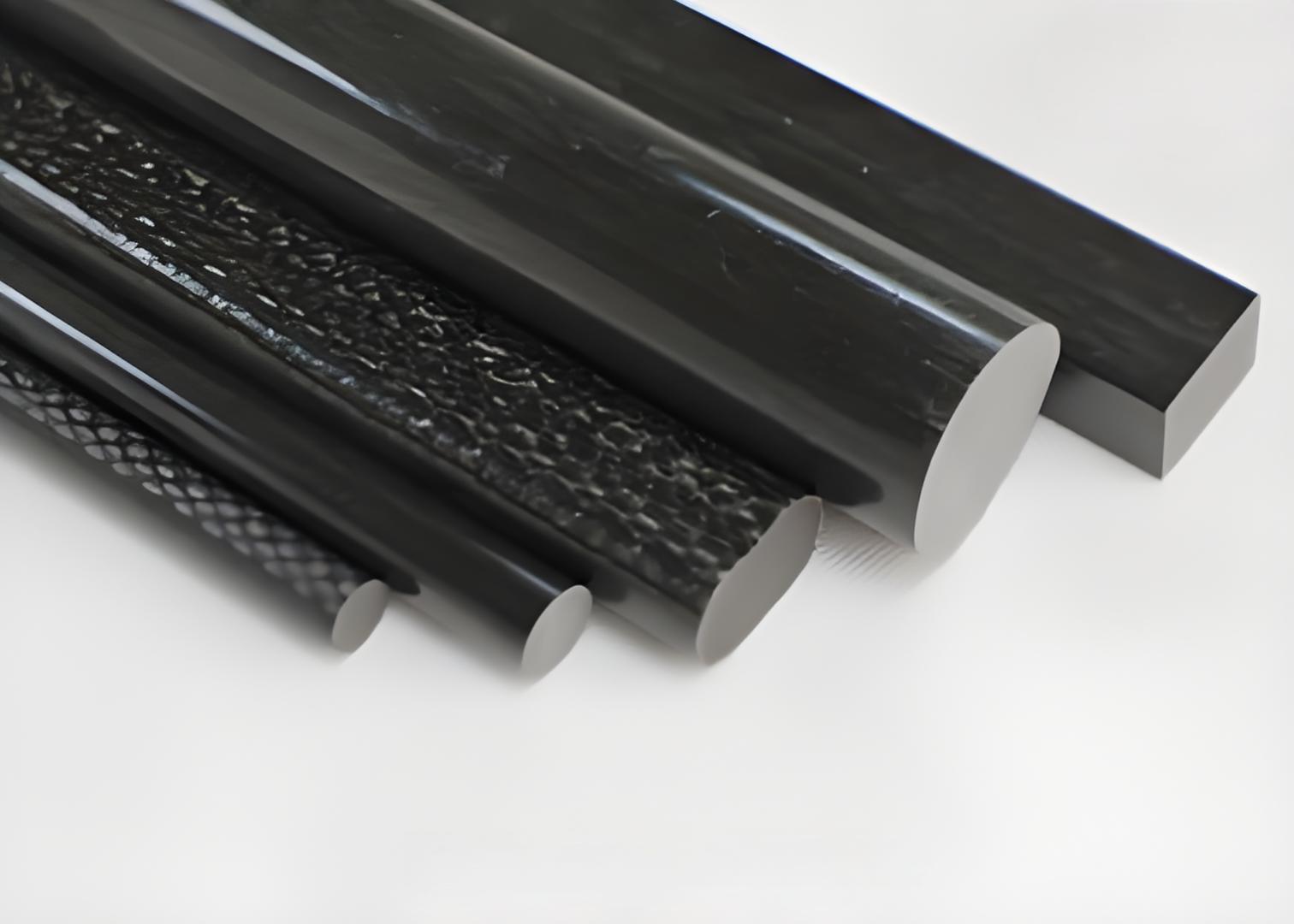
Pultrusion is a continuous fabrication process that offers high throughput and minimal waste, ideal for producing constant cross-section components. This technique is often employed for constructing long, straight elements, such as beams or profiles, and is valued for its efficiency and cost-effectiveness.
Performance-Cost Trade-offs and Alternatives
When deciding between bidirectional carbon fiber and other materials, consider both performance advantages and cost implications. Bidirectional carbon fiber offers unparalleled strength-to-weight ratio but may carry a higher initial cost compared to materials like fiberglass, which could be sufficient for less demanding applications.
For more comparisons and insights on bidirectional carbon fiber cloth from China, refer to this detailed overview on bidirectional carbon fiber cloth from China.
Notable Products in Bidirectional Carbon Fiber Cloth
Discover top-rated products from Impact Materials, recognized by manufacturers in over 120 countries for their reliability and performance.

Guidance for Buyers
Assessing Supplier Credentials
When sourcing bidirectional carbon fiber cloth, it’s imperative to evaluate the certifications held by suppliers. ISO 9001 certification for quality management systems is a key indicator of a supplier’s commitment to quality and consistency.
Decision Matrix for Material Selection
Constructing a decision matrix can facilitate the selection process, weighing factors such as tensile strength, cost, application-specific requirements, and supplier reputation. This structured approach aids in making informed decisions based on quantifiable criteria.
To further explore material options and solutions, visit Impact Materials for bidirectional carbon fiber cloth solutions.